How to de clutter You code ( and life)
How to de clutter You code ? Remember the quote “It`s not You , it is me?”. Start with an uncomfortable truth. It is Your mess created by you. Every developer knows this moment. You open a file and wonder who wrote it. Then Git blames shows the true colors. The problem is not just messy code. The problem is how easily clutter sneaks in, in life, in general, everywhere.
Why code (and Life) gets cluttered
Code rarely becomes chaotic overnight. It grows like a blob ( remember GhostBusters ? ), one “quick fix,” one “temporary solution,” one “I might need this later” at a time. Life follows the same pattern.
We keep unused apps, unnecessary commitments, and habits that no longer serve us. Just like bloated code, they grow and rot quietly in the background, consuming resources. Our mind and cognitive load.
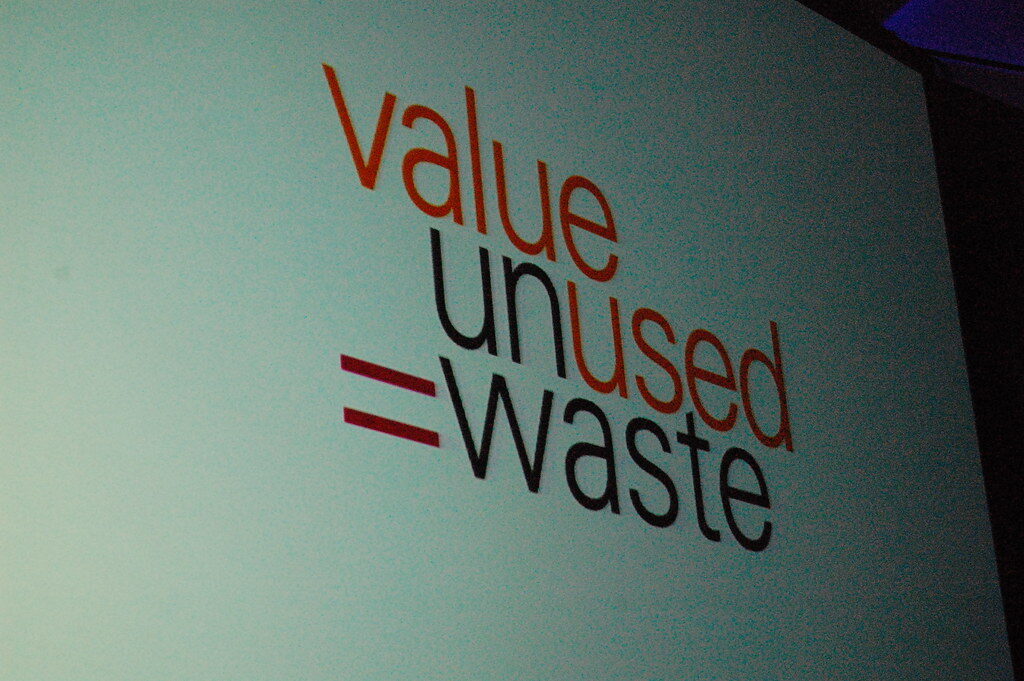
Clutter is rarely intentional. It’s just unexamined accumulation.
How to De-clutter Your Code Properly
When people think about how to de-clutter your code, they imagine cleaning it up. But there’s a difference between hiding clutter and removing it. A junior developer comments things out.
A senior developer deletes them.
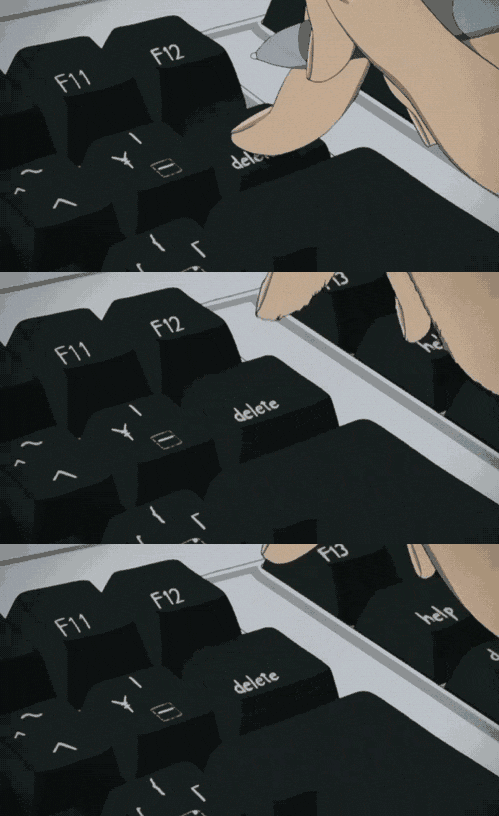
And the bold ones use shift + delete. This is my offer to you for todday. Delete and forget.
No recycle bin. No backup plan. No illusion of “I’ll come back to this later.” Just a clean, irreversible decision.
The Real Lesson Behind Shift + Delete
The real value of learning how to de-clutter your code is not the act of deleting—it’s the mindset it creates. Because once you’ve felt that moment of hesitation – “Do I still need this?” – you begin to think differently before writing anything at all. You become more precise. More intentional.

Einstein? captured this perfectly: everything should be as simple as possible, but not simpler.
This idea forces discipline. If there’s no easy undo, you design better from the start. It reduces complexity and this constraint makes Your decision simpler. Less space for overthinking.
De-clutter before You add not after you delete
Deleting something always comes with a small cost. A moment of doubt. A hint of regret. That discomfort is useful. It trains you to ask better questions earlier:
- Do I actually need this feature?
- Is this solving a real problem?
- Am I adding value or just complexity?
The more you apply this thinking, the less you need to de-clutter later. Your code becomes clearer. Your decisions sharper. Your systems lighter. It is like building, in coding You can go vertically and build alll the fancy wiring but forget to really dive and provide a solid ground. It will still work but hard to maintain.
Clean code, clear life
(Some take the book to literallly). Learning how to de-clutter your code has an unexpected side effect it simplifies everything else.
You stop overengineering.
You stop overcommitting.
You stop keeping things “just in case.”
Instead, you keep what matters. When something slips through—as it always does—you don’t hesitate.
Shift + delete.
No undo. Just clarity. No Mercy. For the Emperor 🙂

Summary
De-cluttering is not about cleaning up after the fact – it’s about thinking clearly from the beginning. I hate to say it but if You will delete it in the future then maybe you need another meeting about the common sense of such a decision and sensibility of it all ?
In both programming and life, clarity is not added later. It is designed from the start.
Further Reading: Ancient Ideas on Clarity and Simplicity
The pursuit of clarity is not new. Long before modern software, philosophers explored the same principle:
- Aristotle – “On Rhetoric” (clarity in communication and thought)
- Marcus Aurelius – “Meditations” (removing mental excess and focusing on essentials)
- Seneca – “Letters from a Stoic” (simplicity, discipline, and intentional living)
- Epictetus – “Enchiridion” (distinguishing what truly matters)
These works reinforce a timeless idea: clarity is not about having more—it’s about needing less.


