-
Rule of least surprise
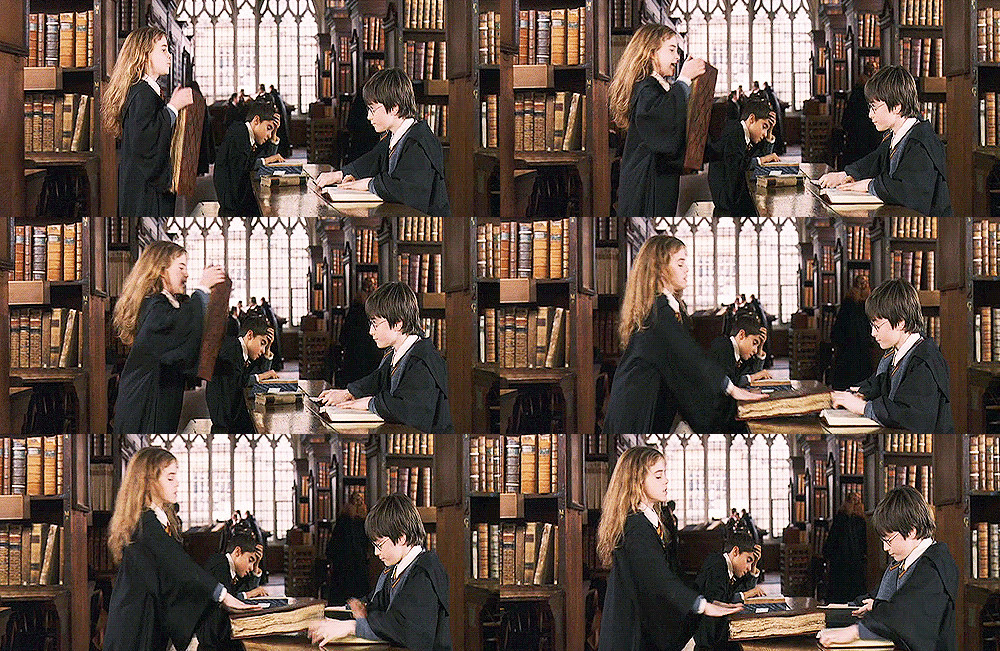
Rule of Least Surprise says: anything ( some it system in our case) should behave in the way that causes the least surprise to people, users, us. We all love suprises we feel good about… not the biggest fans abotu those bad or negative experiences. Surprise creates confusion, bugs, and lost trust. Prefer predictability over cleverness. Think about it… when you call a function, you expect it to do what it says, not sneak in extra behavior. Silent mutations are a classic trap. Side effects are unknown to the user. Trust me, the user will NOT FIGURE IT OUT. Passing an object and having it changed behind your back. Magic…
-
Developer vs. Engineer in Software and AI: What’s the Difference?
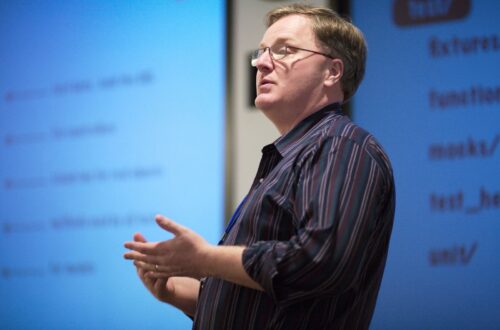
The terms “developer” and “engineer” are often used interchangeably in tech, but there are meaningful differences in how they approach problems, especially in software and AI. At a high level: Doesn`t matter the title. We are still the part of the same team. In AI, this distinction becomes even more interesting, because AI systems are inherently probabilistic and data-driven, unlike traditional deterministic software. Developer vs. Engineer: Core Mindset Developer Mindset In AI, an AI developer might: Engineer Mindset In AI, an AI engineer might: As one analysis puts it: “Software engineers build deterministic systems with predictable outputs, while AI engineers build systems that are probabilistic and require managing uncertainty.” Key…
-
Protect your work with poison ?
Protect your work with poison ? Is there no other way around. Robots.txt ? Nobody cares. Copyrights ? LOL. Fair use policy ? As long as i don`t get caught. Protect your work with poison is the oldest trick in the book, especially by plants. Most of them have to be cooked, to be eaten and digested with benefit for us. Why not doing it with our work ?I am thinking about healthy amount of protecting our work. Does it mean anyone making a rembrandt style photo should pay the author of that style ? For 70 years ? How much and how long ? Why money at all ?…
-
Losada coefficient at life and work
The Losada coefficient at life and work is pretty much the same theory. Also known as Losada ratio or critical positivity ratio. Proposes a fixed ration between positive and negative interactions / emotions. Supposedly distinguishes positive from negative individuals or teams.We should have proportionally MORE POSITIVE INTERACTIONS so in the long run we will be happy.Originated in 2005 paper by psychologists Barbara Fredrickson and Marcial Losada, who calculated a threshold of ~2.9:1 and upper? limit around 11.6:1 Losada ratio in coportate In highly skilled IT software development teams ( or any other team for that matter) this balance shows up in code reviews, stand‑ups, meetings, emails, design discussions and production…
-
First make it work then make it better
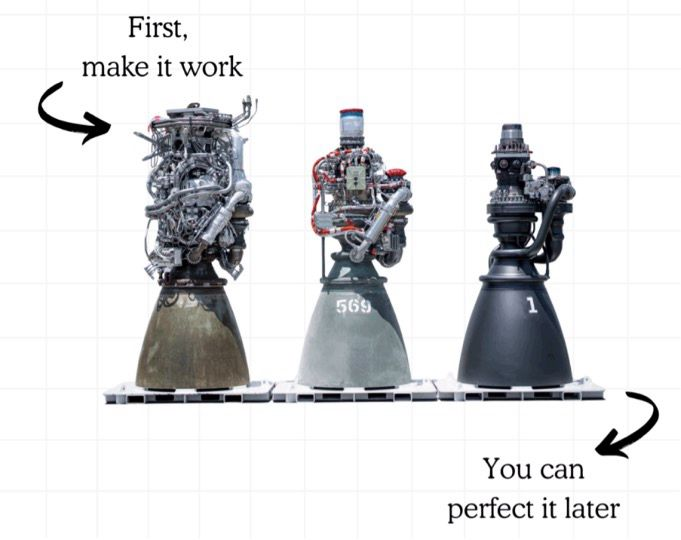
First make it work then make it better can sound pretty straight forward and fun. You get to fast prototype something that just “works”. Glue together some pieces and see the rapid progress towards Your goal. Sounds awesome and full and dopamine. In any kind of creative endevour a common trap is waiting for perfect results before launching anything. “First make it work then make it better” isn’t just practical advice, it’s achange in mindset that leads to real results and progress. Whether you’re an entrepreneur, developer or just a creative person. Showing up everyday, consistently, even for a bit, beats talent. If You have trouble with that read about…
-
How to get a QR code idea
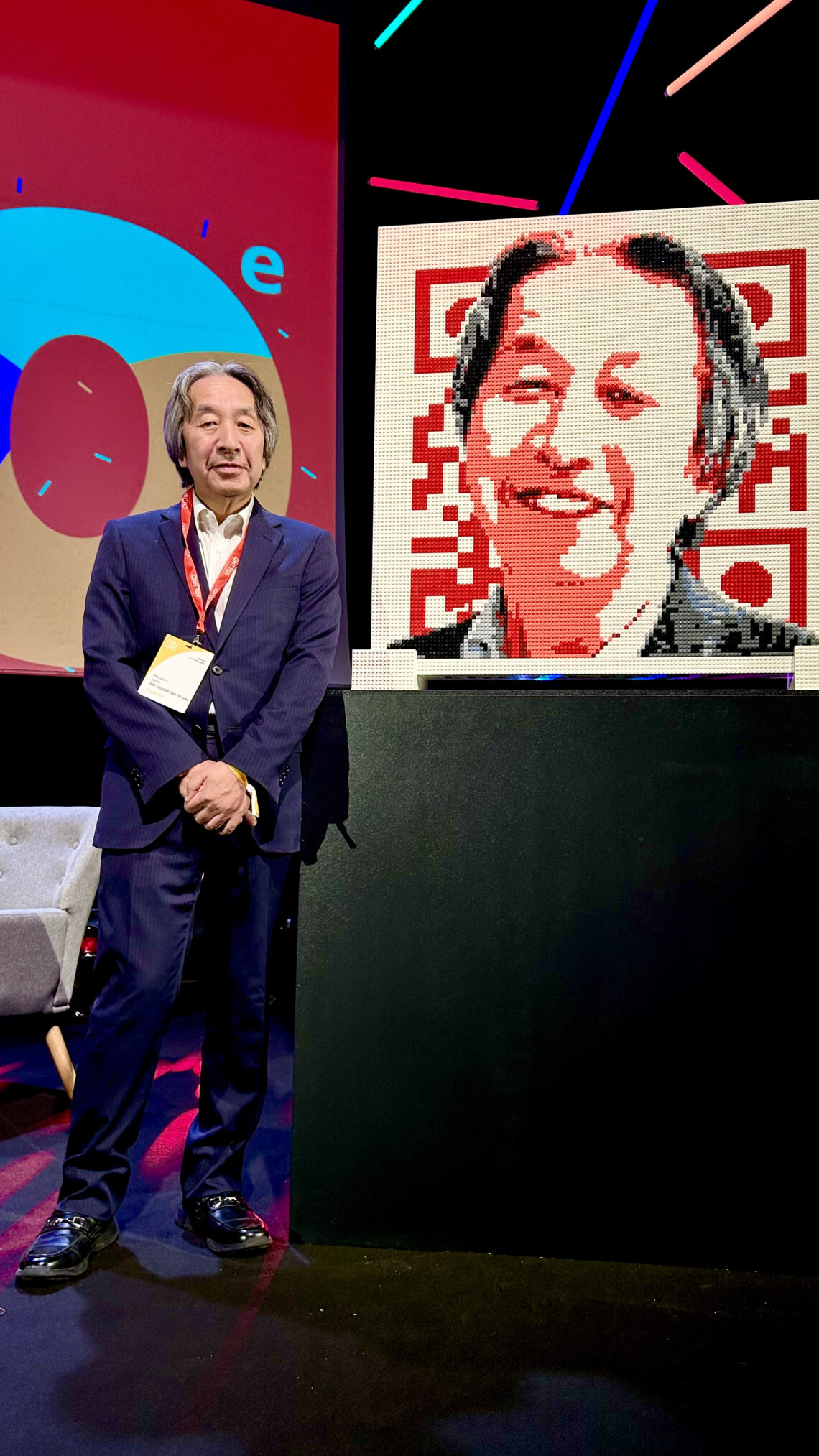
How to get a QR code idea ? Taking breaks and relaxing is essential for creativity. Masahiro Hara invented the QR code not by working overtime, but while enjoying a simple game of Go. Watching the stones on the board he had an epiphany… a new way to organize information. A simple graphic design. Digital. Coded. It lead him to the invention of a tool that changed the world. The QR CODE. Hara’s story shows that the best ideas often come when the mind is at ease. Instead of forcing solutions, enjoying moments of calm can help new connections form naturally. These quiet times help the brain see things differently.…