Why people do not use Dvorak
Why people do not use Dvorak ? People are stubborn and do NOT LIKE CHANGE. tldr;)
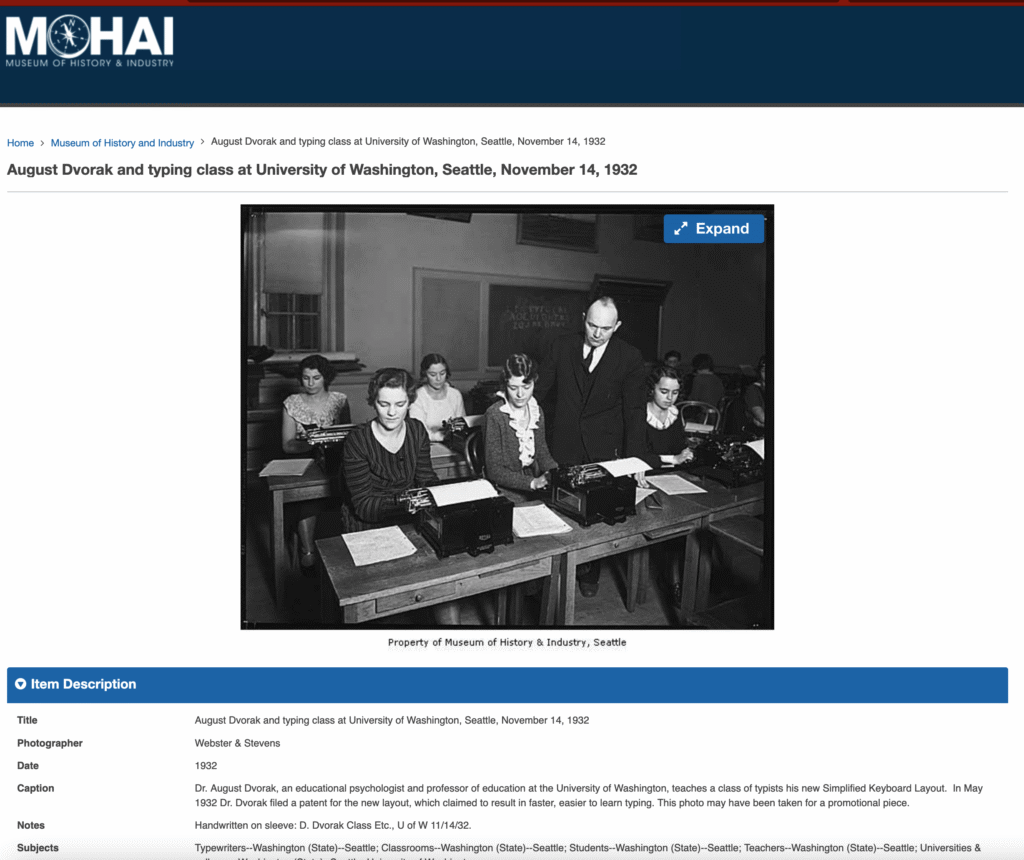
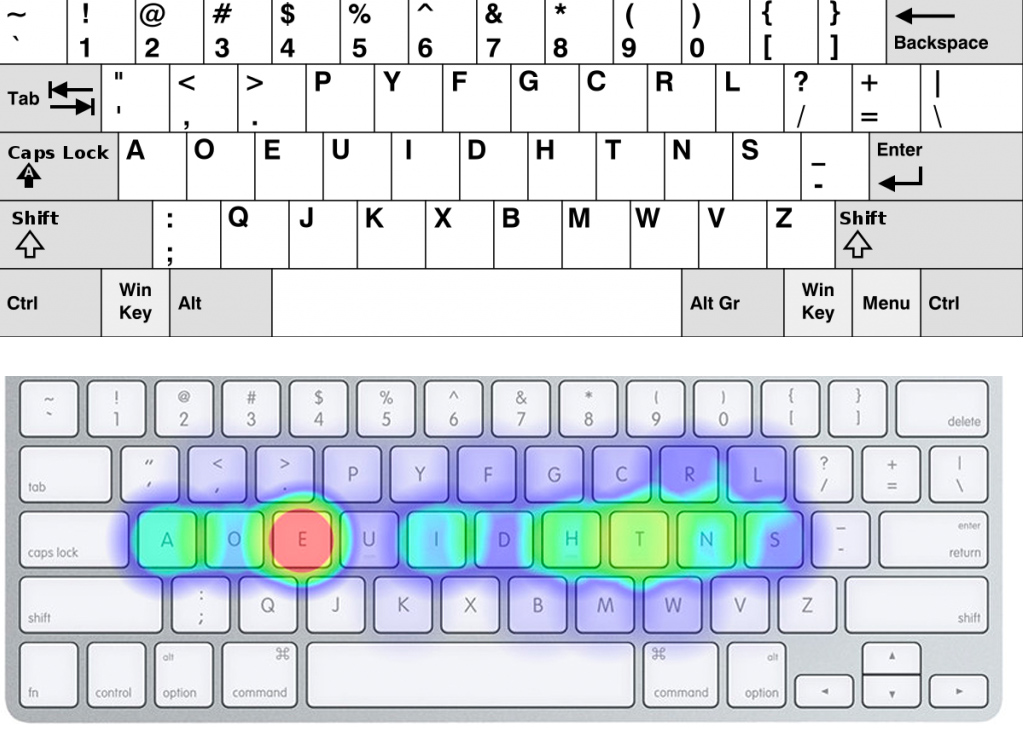
People’s stubbornness and environmental factors significantly hinder the adoption of superior systems, as shown by the example of the Dvorak keyboard layout. Dvorak’s design was intended to reduce finger movement, increase typing speed, and reduce fatigue—placing the most frequently used letters on the home row. Sounds cool and sensible ? Because it is.
However…
Its adoption never came to be. The traditional QWERTY layout still is the established standard, compatibility with existing shortcuts and the high cost in effort and time to retrain millions meant people stuck with what they knew despite evidence that Dvorak could be more efficient in the long run.
Stubbornes saves lives
Humans’ stubbornness is partly evolutionary. Persistence helped ancestors survive in hostile environments by enforcing consistency and reliability in behavior despite obstacles or competing pressures. This mental discipline prevented indecision and increased resilience in dangerous or tough situations. Evolution favored stubbornness as a survival trait, not necessarily as a path for optimization beyond immediate survival needs.
However, this trait is a double-edged sword. While stubbornness can protect core values or shield against ephemeral trends, it often blocks the adaptation and growth required to “get more” from life. In modern contexts, stubborn adherence to outdated systems or habits suppresses potential advancements and personal development. Thus, the evolutionary “help” from stubbornness usually obstructs progress rather than facilitating it in complex contemporary settings.
In sum, the Dvorak keyboard case illustrates how entrenched systems and human stubbornness create formidable barriers to change. Evolution’s gift of stubbornness once served survival but now frequently becomes a brake on improvement because environmental and psychological inertia outweigh the incentive for transformation.
Many different keyboard layouts
The biggest issue is to adjust after all those years of muscle memory. Here You can have more fun 🙂
| QWERTY | Universal, familiar | Inefficient finger travel | Compatibility, low learning effort |
| Colemak | Ergonomic, efficient, easy transition | Some learning required | Balanced improvement |
| Dvorak | High efficiency, less finger movement | Steep learning curve | Maximum ergonomic gains |
| Workman | Balanced finger load, reduces strain | Less common | Ergonomics and comfort |
| Norman | Pinky relief, efficient | Limited adoption | Ergonomic improvement |
| Engram | Innovative, optimized for programming | Niche use | Specialized tasks |
Summary
However, this evolutionary “help” becomes a double-edged sword today. While stubbornness can protect core values or resist harmful trends, it frequently blocks personal growth and adaptation needed to achieve more ambitious or nuanced goals. In modern life, stubbornness doesn’t usually help us “get more” from life; it tends to trap us in outdated patterns and blind spots. Evolution gave us stubbornness to survive, not necessarily to thrive beyond survival.