Jevons paradox in AI workplace
Jevons paradox in AI workplace
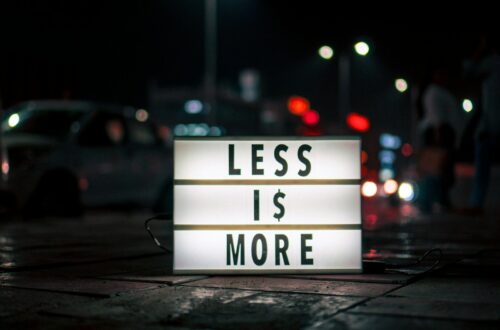
Jevons paradox in AI workplace is introduced at work with a simple promise: do more in less time. In practice, the result are messy and stack the work. Jevons paradox is the idea that when something becomes more efficient, people and organizations often end up using more of it.
In the AI workplace that can mean faster tools, automated work that do not always reduce workload. They can also expand expectations, volume, and ambition to utilize the improved (AIed ?) processes.
Be aware
At first glance, this sounds contradictory and just wrong. If a team can draft emails, summarize meetings, and generate reports in minutes, surely the workday should become lighter. Real life is brutal. Once a task becomes cheap and easy, people tend to do it more often, polish it further, or apply it in places they would not have considered before.
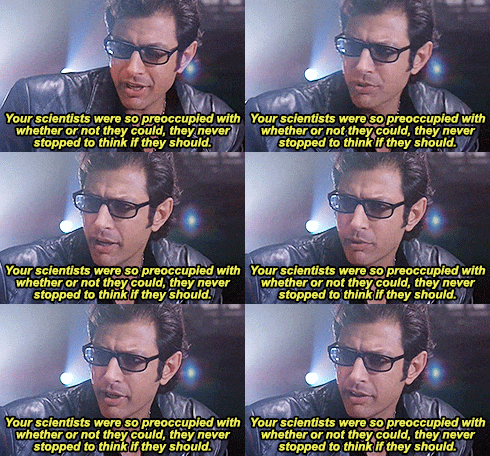
Kinda like the Jurrasic Park scene, the scientists didn`t ask if they should, they just wanted to see if they can. The savings are real, but they are often absorbed by new demands.
This is already visible in many offices. A marketing team that used to produce one campaign brief per week may now produce three. A developer who once wrote a rough first draft by hand may now be asked to generate several versions, test more ideas, and document everything more thoroughly. The tool speeds up the process, but it also raises the standard. In that sense, AI does not just remove friction — it can create a new layer of activity on top of the old one.
That is why AI adoption does not automatically mean fewer working hours or lower staffing needs. The talk about cognitive overload is on the rise. Some routine tasks will shrink, but the overall system often grows around the new capacity.
Cognitive overload ?
Can`t handle it ? Weakness disgusts me. We will find someone better.
Workers are not the ones who “do less.” They are the ones who use AI to move faster while juggling judgment, context, data and responsibility. Human review, planning, quality control, and decision-making remain essential because AI output is still imperfect and sometimes wrong.
There is also a psychological effect. When work becomes easier, people rarely stop at the original goal. They ask for more. Sin of greed ? Better version, a second version… then another. The result is a “productivity gain” that is partly invisible, because the extra output feels normal once the new baseline is established. This is one reason many workers feel busier after AI adoption, not calmer.
More work vs quality ?
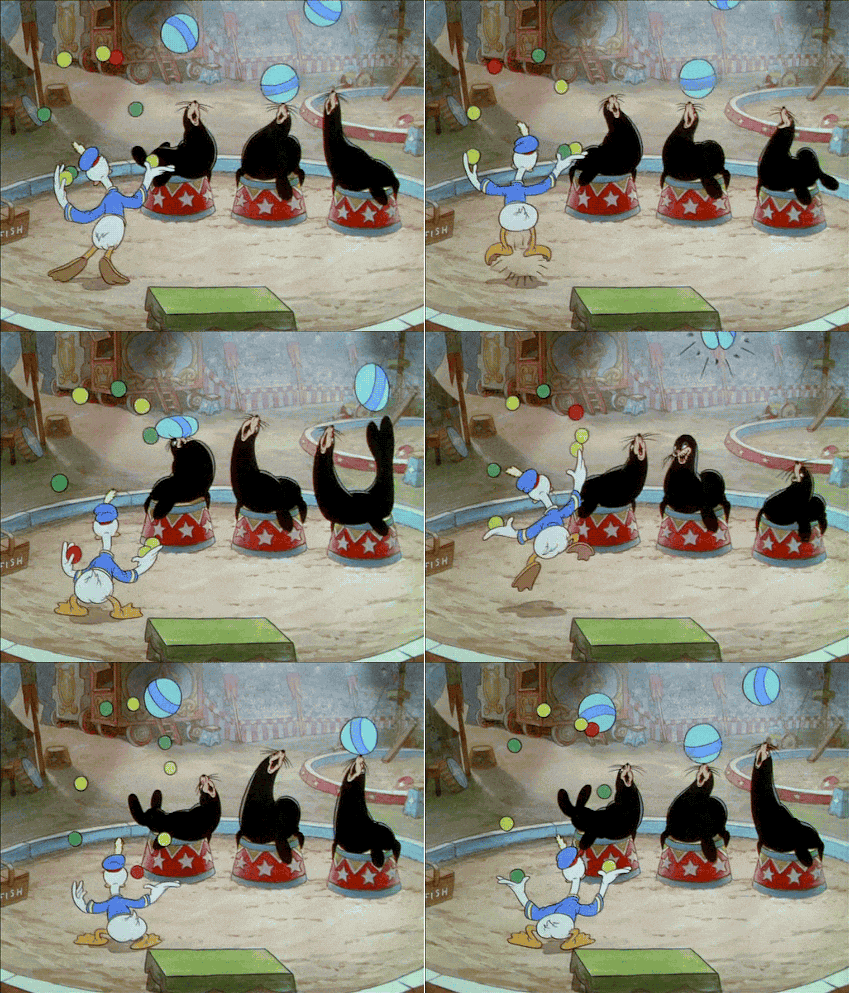
The main beef i have with this is that more stuff we produce more we need to juggle and handle and the less the quality. This is the world old triangle – price, quality and time.
The real lesson is not that AI fails. It is that efficiency alone does not solve workplace complexity. If anything, it can amplify it. Companies that understand this should set some kind of boundaries early on like: define what AI should automate, where human review is required, and what “good enough” actually means. Without that discipline, the gains from AI can quietly turn into more pressure rather than more freedom.
Now don`t get me started on undocumented processes….
Read more
Jevons paradox in AI workplace ? Hope You can handle it and not have the overflow of ‘ai’ slop